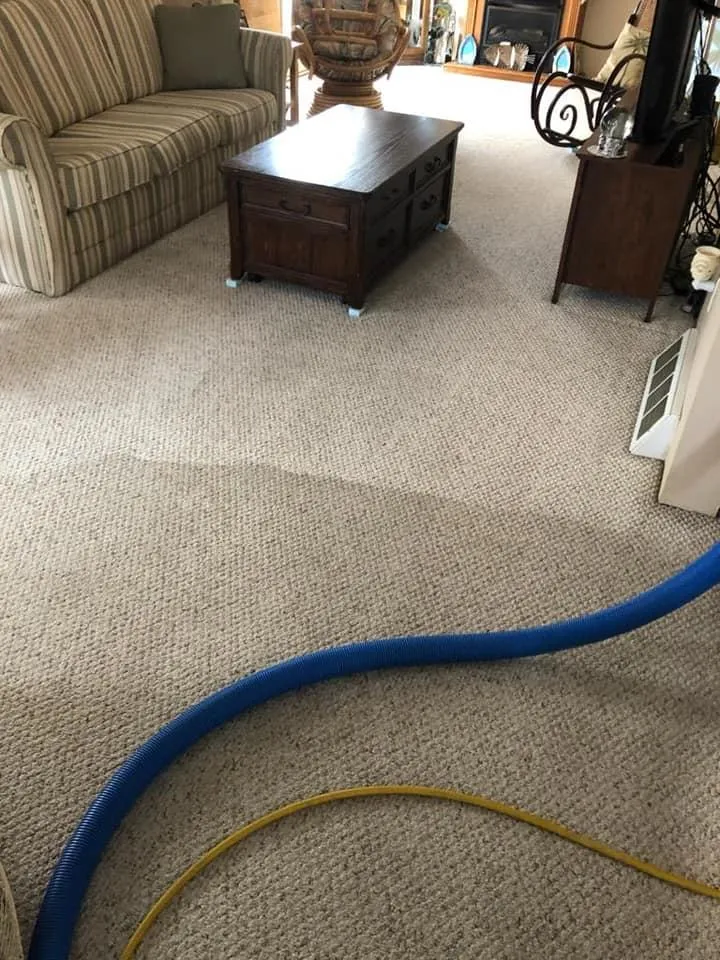
Can Professional Cleaning Remove Old Carpet Stains for Good?
Why Old Carpet Stains Are So Hard to Deal With
Old carpet stains have a way of sticking around longer than expected. Even after repeated cleaning, they either fade slightly or seem to disappear—only to come back later.
That’s because most stains don’t just sit on the surface. Over time, they settle deep into the carpet fibers and even into the backing underneath. In many New Jersey homes, factors like humidity and daily foot traffic can push stains further in, making them harder to fully remove.
So the real question isn’t just whether stains can be cleaned—it’s whether they can be removed completely and permanently.
What Happens to a Stain Over Time
To understand whether a stain can be removed, it helps to look at what actually happens after a spill is left untreated.
When a substance enters the carpet, it goes through a few stages:
Surface Absorption – The liquid or substance settles into the top layer of fibers.
Deep Penetration – The stain moves into the lower layers and backing.
Bonding – The stain attaches to the fibers, making it harder to lift.
Residue Formation – Leftover particles attract dirt, making the area look dirty again.
The longer a stain sits, the more it progresses through these stages. That’s why older stains are more difficult to remove than fresh ones.
When Professional Cleaning Can Fully Remove Stains
In many cases, professional cleaning can completely remove stains—but it depends on specific conditions.
Situations Where Full Removal Is Likely
Stains are more likely to be fully removed when:
The carpet fibers are still in good condition
The stain hasn’t permanently altered the color
The source of the stain is treatable (food, dirt, most liquids)
Proper cleaning methods are used early enough
Professional equipment is designed to extract material from deep within the carpet, which makes a significant difference compared to surface cleaning.
When Stains May Not Fully Disappear
Not all stains can be removed completely, even with professional treatment. Some cause permanent changes to the carpet fibers.
Situations Where Results May Be Limited
Bleach or chemical damage
Dye-based stains that alter carpet color
Long-term stains that have bonded deeply
Heat-set stains that have been embedded over time
In these cases, cleaning can still improve the appearance, but full restoration may not be possible.
Why Stains Sometimes “Come Back” After Cleaning
One of the most frustrating experiences is seeing a stain return after it seemed to be gone. This is often called “wicking.”
Wicking happens when moisture left in the lower layers of the carpet pulls remaining residue back up to the surface as it dries.
This is more common when:
The stain wasn’t fully extracted
Too much water was used during cleaning
The carpet wasn’t dried properly
In humid environments like parts of New Jersey, improper drying can increase the chances of this happening.
Professional cleaning reduces this risk by using stronger extraction and controlled drying methods.
How Professional Cleaning Handles Old Stains
Removing old stains isn’t done in one step. It’s a process designed to break down and extract the stain from multiple layers.
Step 1: Inspection and Identification
The cleaning process starts by identifying the type of stain and how deeply it has set.
Step 2: Pre-Treatment
A specialized solution is applied to loosen the stain and break down residue.
Step 3: Deep Extraction
High-powered equipment removes both the cleaning solution and the dissolved stain particles from the carpet.
Step 4: Spot Treatment
Any remaining discoloration is treated directly to improve the final result.
Step 5: Controlled Drying
Proper drying prevents moisture from pulling residue back to the surface.
What Affects Whether a Stain Can Be Removed
Several factors influence how successful the cleaning process will be.
Key Variables
Type of stain (organic, oil-based, dye-based)
Age of the stain
Carpet material and fiber type
Previous cleaning attempts
Environmental conditions like humidity
In New Jersey homes, moisture and repeated use can make stains more stubborn over time.
What You Can Do Before Calling a Professional
If you’re dealing with a stain, your initial response can affect the final outcome.
Immediate Actions That Help
Blot the stain instead of rubbing it
Avoid using too much water
Use mild cleaning solutions only
Act as quickly as possible
Even if you plan to hire a professional, these steps can prevent the stain from setting deeper.
Common Questions About Removing Old Carpet Stains
Can old carpet stains be completely removed?
Sometimes. Many stains can be fully removed, but some may leave slight discoloration depending on the damage.
Why do stains come back after cleaning?
This is usually due to wicking, where residue from deeper layers rises back to the surface.
Are professional cleaners better than DIY methods for old stains?
Yes. Professional equipment can extract deeper residue that home machines often leave behind.
How many times does it take to remove a stain?
Some stains require multiple treatments, especially if they are older or deeply embedded.
Does carpet type affect stain removal?
Yes. Certain materials hold onto stains more than others and may require specialized cleaning methods.
Final Thoughts on Removing Old Carpet Stains
Professional cleaning can remove many old carpet stains, but not all of them. The outcome depends on the type of stain, how long it has been there, and how the carpet has been treated over time.
While some stains can be completely eliminated, others may only improve in appearance. Even so, professional cleaning offers the best chance of restoring the carpet and preventing stains from returning.
For homeowners in New Jersey, where carpets are exposed to humidity and daily wear, proper cleaning plays a key role in maintaining both appearance and longevity.
Working with a local provider like Shore Carpet Care ensures the cleaning approach is suited to the conditions commonly found in New Jersey homes, helping you get the most effective results possible.
