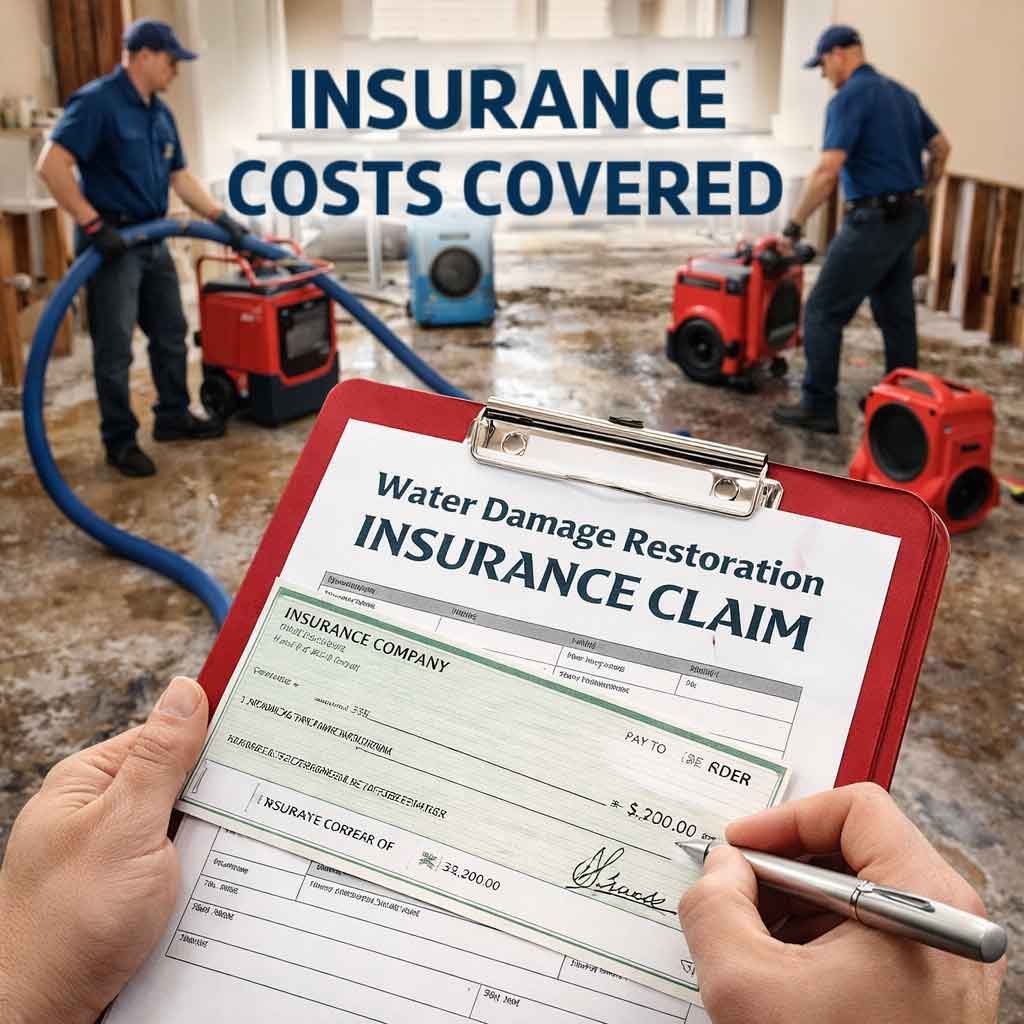
Is Water Damage Restoration Covered by Insurance Costs?
Why Coverage Isn’t Always as Simple as It Sounds
Water damage is one of those problems that shows up fast and escalates even faster. A leaking pipe, an overflowing appliance, or unexpected flooding can turn into a serious issue within hours.
The first question most homeowners ask isn’t just how to fix it—it’s whether insurance will cover the cost.
The answer depends less on the damage itself and more on how it happened. In New Jersey, where homes can face everything from heavy rain to humidity-related issues, understanding what insurance actually covers can make a big difference in how you respond.
When Water Damage Is Typically Covered by Insurance
Insurance policies are designed to cover sudden and accidental damage—not issues that develop over time.
The situations below are commonly covered under standard homeowners insurance policies:
Covered Scenarios
These are examples of water damage events that are usually considered eligible for coverage:
Burst or broken pipes
Sudden appliance failures (washing machine, dishwasher, water heater)
Accidental overflows
Storm-related water intrusion through damaged roofing
In these cases, the damage happens unexpectedly, and insurance providers generally view the event as unavoidable.
When Water Damage Is Usually Not Covered
Not all water damage qualifies for insurance coverage. The key difference is whether the issue could have been prevented with regular maintenance.
Common Non-Covered Situations
These situations are often excluded from standard policies:
Slow leaks that were left unaddressed
Long-term moisture buildup
Mold caused by neglect
Flooding from external sources (without flood insurance)
For many homes in New Jersey, especially those dealing with humidity, slow moisture issues can develop over time. If these are not addressed early, insurance companies may deny coverage.
How Insurance Companies Decide on Coverage
Insurance providers don’t just look at the damage—they look at the cause, the timeline, and how the situation was handled.
To determine whether a claim is approved, they typically evaluate:
1. Cause of the Damage
Was it sudden and accidental, or did it develop over time? This is the most important factor in any claim.
2. Maintenance History
Homeowners are expected to maintain their property. If damage results from neglect, coverage is less likely.
3. Documentation and Timing
Quick action matters. Delays in reporting or mitigating damage can affect approval.
4. Type of Policy
Coverage depends on what’s included in your specific policy. Some homeowners have additional protection, while others may have basic coverage only.
What Water Damage Restoration Costs Usually Include
When insurance does apply, it typically covers the restoration process—not just the visible damage.
Restoration services often include multiple steps that address both immediate and hidden issues.
Typical Restoration Work
Water extraction
Drying and dehumidification
Cleaning and sanitizing
Removal of damaged materials
Odor treatment
In New Jersey homes, especially in humid environments, proper drying is critical. Without it, moisture can remain trapped and lead to further problems.
How the Claims Process Usually Works
If you’re dealing with water damage, knowing what steps to take can help protect your claim.
Step-by-Step Process
Identify and stop the source of the water if possible
Document the damage with photos and notes
Contact your insurance provider as soon as possible
Schedule a professional inspection or restoration service
Keep records of all work and communication
Acting quickly not only limits damage but also shows that you took reasonable steps to prevent the situation from worsening.
Situations Where Coverage Gets Complicated
Some cases fall into a gray area where coverage isn’t immediately clear.
Gradual vs. Sudden Damage
If a pipe has been leaking slowly and eventually causes major damage, insurance may classify it as preventable—even if the final result seems sudden.
Storm vs. Flood Damage
Water entering a home due to roof damage during a storm is often covered. However, water rising from the ground—such as flooding—usually requires separate flood insurance.
Mold and Secondary Damage
Mold that develops after water damage may or may not be covered depending on how quickly the issue was addressed.
How to Reduce Out-of-Pocket Costs
Even when insurance covers part of the restoration, there may still be out-of-pocket expenses. Taking the right steps early can help minimize those costs.
Practical Ways to Reduce Expenses
Address leaks and issues immediately
Schedule routine maintenance checks
Act quickly when damage occurs
Work with professionals who document the process properly
In many New Jersey homes, fast response is especially important due to humidity, which can accelerate damage.
Common Questions About Insurance and Water Damage
Does homeowners insurance cover all water damage?
No. Coverage depends on whether the damage was sudden and accidental or caused by long-term issues.
Is flood damage covered by standard insurance?
No. Flood damage typically requires a separate flood insurance policy.
Will insurance cover mold removal?
It depends on the cause. If mold results from a covered water event, it may be included. If it’s due to neglect, it usually isn’t.
How quickly should I file a claim?
As soon as possible. Delays can affect coverage and increase damage.
Do I need to use a specific restoration company?
In most cases, you can choose your own provider, but it’s important to check your policy.
Final Thoughts on Insurance Coverage for Water Damage
Water damage restoration can be expensive, but whether insurance covers it depends on how the damage occurred and how quickly it’s addressed.
Understanding the difference between sudden damage and preventable issues is key to avoiding claim denials. Acting quickly, documenting everything, and working with experienced professionals can make the process smoother.
For homeowners in New Jersey, where environmental factors like humidity and storms can increase risk, having a clear plan in place is essential. When restoration is needed, working with a local provider like Shore Carpet Care ensures the response is aligned with the conditions commonly seen in New Jersey homes.
